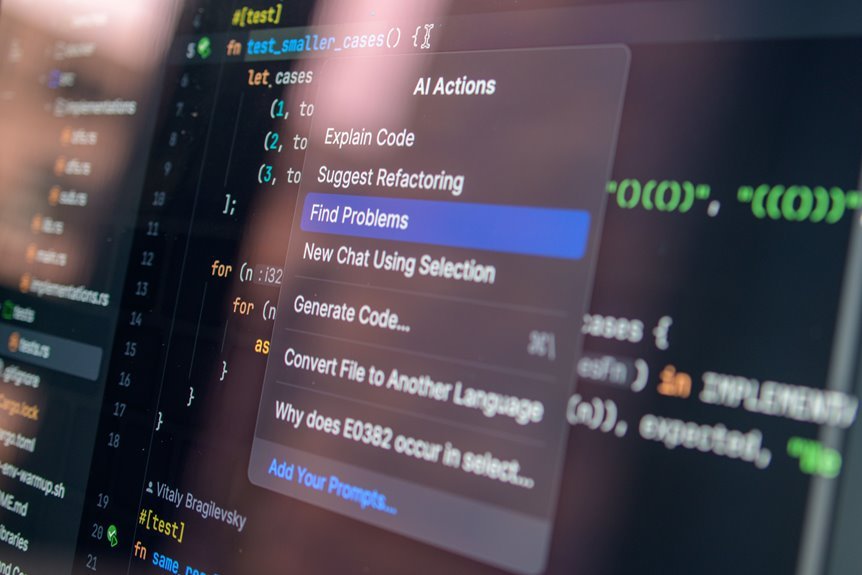
Cross-Language Search Analysis File consolidates multi-language intent signals into a unified analytic framework. It captures cross-language cues, cultural framing, and lexical nuances that shape query formation and result interpretation. By mapping language drift, segmentation nuances, and translation latency, the file supports bias-free search design and transparent ranking. For researchers, marketers, and builders, it offers reproducible methodologies and privacy-conscious auditing, with scalable insights that provoke further scrutiny. The implications invite continued examination of how multilingual dashboards and UX adjustments are informed.
What Cross-Language Search Teaches Us About Intent
Cross-language search reveals that user intent is not monolithic but is instead expressed through a constellation of signals that traverse languages and contexts.
The analysis highlights how language quirks shape interpretation, while cross lingual signals—syntax shifts, lexical nuances, and cultural framing—reveal intent layers.
Recognizing these patterns enables structured, proactive querying without bias, guiding inclusive, adaptable search design.
Mapping Language Nuances to Query Formation
Informed by the recognition that cross-language signals shape user intent, the mapping of language nuances to query formation translates observed linguistic patterns into actionable query design rules. It identifies language drift as a factor shaping synonym selection, phrasing, and granularity.
Cultural nuance informs segmentation, prioritization, and intent interpretation, guiding query operators, filters, and result ranking with disciplined, transparent structure.
Evaluating Multilingual Analytics: Tools, Limits, and Privacy
Evaluating multilingual analytics requires a clear framework to compare tools, identify inherent limits, and safeguard privacy. The analysis weighs methodological rigor, reproducibility, and transparency against cultural and linguistic diversity. Language bias may skew outcomes, while translation latency affects timeliness and decision speed. Standards for data handling, consent, and auditing sustain trust, enabling cross-language insights without oversimplification or overreach.
Real-World Applications: Researchers, Marketers, and Builders
Real-world use of cross-language search analysis spans three primary audiences: researchers, marketers, and builders. This framework informs cross language demographics, revealing multilingual behaviors and preferences across regions. Researchers leverage comparative signals for hypothesis testing, marketers tailor campaigns to multilingual ergonomics, aligning content with user workflows. Builders translate insights into scalable features, dashboards, and UX adjustments that respect linguistic diversity and freedom of exploration.
Frequently Asked Questions
How Was the Dataset for cldiaz05 Constructed and Sourced?
The dataset for cldiaz05 was constructed from multilingual web sources and curated corpora, with careful preprocessing. Data sourcing emphasized representativeness, while documenting multilingual biases to enable transparent evaluation of cross-language search performance and fairness considerations.
What Languages Are Explicitly Covered by the Cross-Language Tests?
Languages explicitly covered include English, Spanish, French, German, Chinese, and Japanese. Explicit coverage spans these core languages; language scope remains focused on widely used languages. This concise mapping communicates explicit coverage while preserving a freedom-loving, precise tone.
Are There Any Known Biases in Multilingual Search Results?
Yes; biases exist in multilingual search results. The analysis centers on bias awareness and multilingual fairness, highlighting disparities, representation gaps, and language-topical alignment. Continuous auditing and inclusive training are recommended to reduce systematic unfairness.
How Is User Consent Handled Across Multilingual Data Collection?
Consent handling varies by jurisdiction; reporting emphasizes consent transparency and privacy safeguards, with clear opt-ins and revocation rights across languages. Translation ethics governs data use, ensuring accurate representation while users freely participate under transparent, rights-respecting terms.
What Runtime Resources Are Required for the Analysis Tools?
The tools require configurable compute; runtime benchmarks guide capacity planning, while resource scaling adapts to load. They demand steady memory, CPU and I/O budgets, with parallelism tuned to maintain predictable throughput and stable latency.
Conclusion
The study concludes that cross-language signals subtly converge on user intent, revealing coincidental alignments between phrasing, cultural framing, and result expectations. By tracing multilingual drift and translation latency, the framework uncovers how small linguistic shifts produce consistent ranking biases across domains. This coincidence—between language texture and amplification of intent—offers a precise lens for redesigning multilingual search experiences, ensuring privacy-conscious auditing, and delivering reproducible insights for researchers, marketers, and builders alike.
